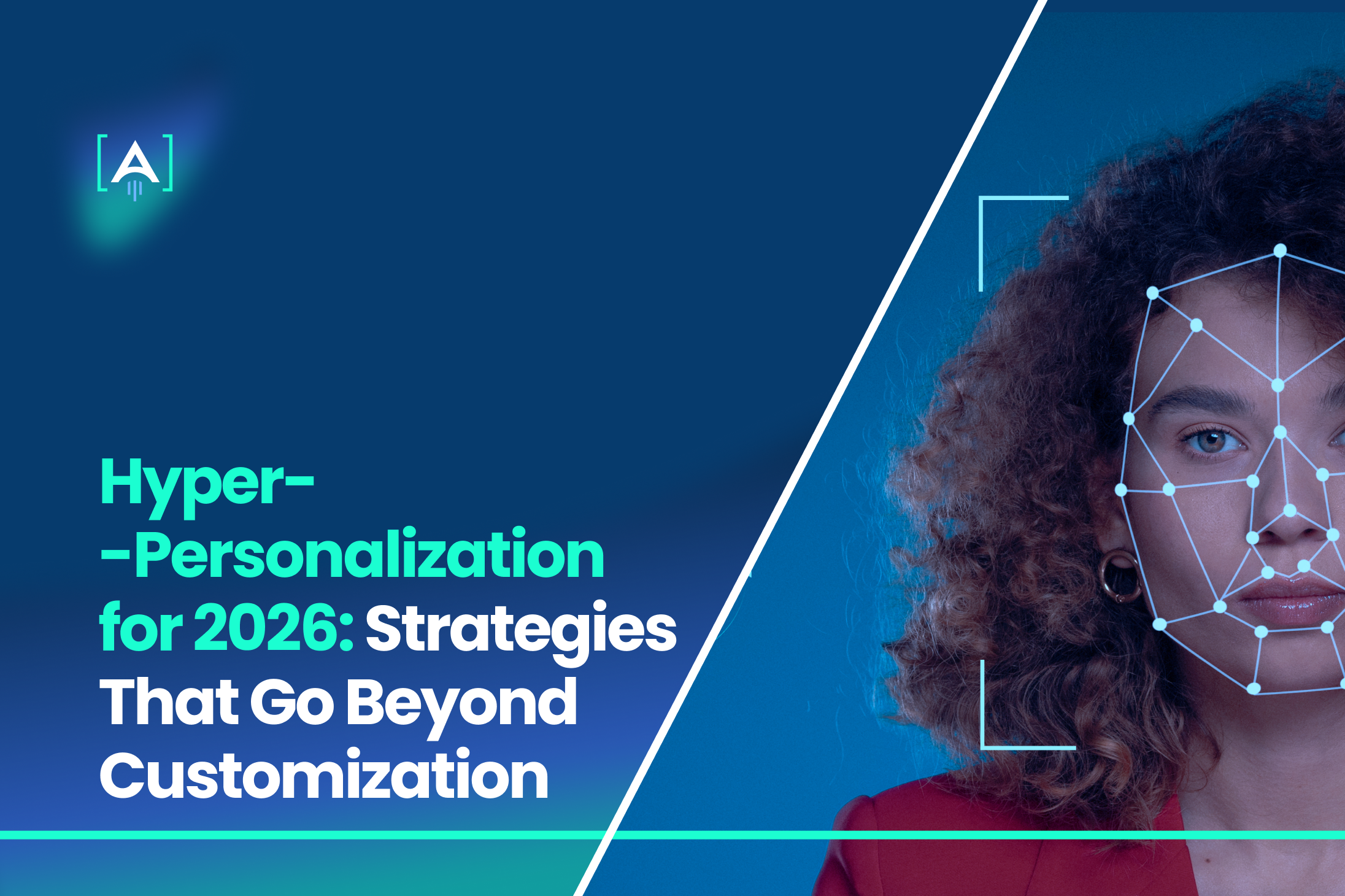
In 2026, the evolution of Enterprise Resource Planning (ERP) systems is reaching a new milestone: hyper-personalization. As businesses continue to demand faster processes, smarter insights, and more adaptive solutions, ERP platforms are shifting from traditional one-size-fits-all systems to intelligent, customizable ecosystems tailored to each company’s unique workflows, goals, and environment.
What Is Hyper-Personalized ERP?
Hyper-personalized ERP refers to systems that adjust interfaces, workflows, analytics, and automation based on user behavior, operational data, industry needs, and real-time business conditions. This personalization is driven by advanced technologies such as AI, machine learning, IoT, and predictive analytics. The result is an ERP system that not only manages business operations but also adapts, learns, and evolves with the organization.
Key Drivers Behind Hyper-Personalization
Several major trends are accelerating this shift:
AI and Machine Learning Integration
ERP systems in 2026 leverage AI to analyze patterns, forecast needs, and suggest optimal actions. Machine learning helps the system continuously refine processes based on user interactions and operational data.Demand for Greater User Experience (UX)
Users now expect ERP platforms to feel intuitive—similar to consumer apps. Hyper-personalization creates dashboards, alerts, and workflows tailored to individual roles and preferences.Industry-Specific Requirements
Different sectors—manufacturing, retail, healthcare, logistics—require specialized features. Personalized ERP modules make it easier for businesses to build solutions that fit their unique operational models.Real-Time Data and IoT Expansion
As IoT devices produce massive amounts of real-time data, ERP systems personalize how information is processed and displayed, enabling faster decision-making.
How Hyper-Personalized ERP Benefits Businesses
The rise of these adaptive systems brings several significant advantages:
Improved efficiency through automated, custom workflows.
Smarter decision-making powered by context-aware analytics.
Higher employee productivity thanks to role-based dashboards and tools.
Better customer experiences due to more responsive operations.
Reduced complexity by simplifying processes for different users.
Challenges to Overcome
Despite its advantages, hyper-personalized ERP comes with challenges:
Data privacy concerns, as personalization requires deeper access to user and organizational data.
Implementation costs, since advanced technologies like AI and IoT may require new infrastructure.
Skill gaps, as employees need training to leverage personalized features effectively.
The Future Outlook for 2026 and Beyond
As technology advances, hyper-personalized ERP systems will become the new standard for businesses seeking agility and competitive advantage. Companies that adopt these systems early can expect better operational alignment, more strategic insights, and stronger adaptability in a rapidly changing market.