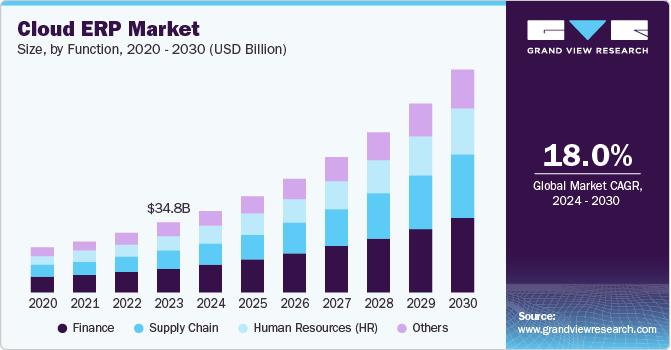
In 2026, cloud-based Enterprise Resource Planning (ERP) solutions are becoming the leading choice for businesses across all industries. As organizations continue to prioritize digital transformation, speed, and agility, cloud ERP systems offer a flexible and scalable foundation that traditional on-premise systems can no longer match. This shift marks a significant evolution in how companies manage operations, data, and decision-making processes.
One of the key drivers behind the dominance of cloud ERP in 2026 is the rapid advancement of artificial intelligence and automation. Modern cloud ERP platforms now integrate AI-powered analytics, real-time forecasting, and intelligent workflows that help businesses optimize operations with minimal manual intervention. These capabilities enable companies to improve efficiency, reduce operational costs, and make faster, more accurate decisions.
Scalability is another major factor pushing businesses toward cloud ERP. Companies can easily adjust system capacity based on growth, seasonal demand, or shifts in market conditions. Instead of investing heavily in physical infrastructure, organizations simply scale their cloud environment as needed. This flexibility is especially valuable for small and medium-sized enterprises looking to compete with larger competitors.
Security improvements have also played a crucial role in cloud ERP adoption. By 2026, cloud vendors provide enhanced encryption, continuous monitoring, and advanced threat detection systems, making cloud environments more secure than many on-premise solutions. With global data regulations becoming more complex, businesses rely on cloud ERP providers to ensure compliance and data protection.
Another trend fueling the rise of cloud ERP in 2026 is the demand for remote and hybrid work environments. Cloud systems support anytime-anywhere access, enabling teams to collaborate seamlessly regardless of location. Real-time data synchronization ensures consistency across departments, powering smarter workflows and better customer experiences.
In addition, cloud ERP platforms now offer greater integration capabilities. Businesses can connect ERP with CRM, HR, e-commerce, supply chain, and other digital tools effortlessly. This interconnected ecosystem helps organizations build a unified view of operations, reduce data silos, and enhance overall performance.
Overall, the dominance of cloud ERP solutions in 2026 reflects a broader shift toward intelligent, adaptive, and data-driven business infrastructures. Companies that embrace cloud ERP gain a competitive edge through improved efficiency, faster innovation, and the ability to respond quickly to changing market demands. As technology continues to evolve, cloud ERP is expected to remain at the center of digital business transformation for years to come.